
At Luv-N-Care Animal Hospital of Windermere, our veterinarians often remind families in Windermere, FL that water is just as vital to a pet’s health as food. While most pet parents focus on nutrition, pet hydration is sometimes overlooked—and that can lead to serious health problems. Just like people, dogs and cats rely on water to regulate temperature, aid digestion, and support every organ in the body.
Keeping your furry bestie hydrated is simple once you know what to watch for. By understanding the signs of dehydration in pets, learning strategies for keeping pets hydrated, and knowing the proper water needs for dogs and cats, you can ensure your four-legged friend stays healthy year-round.
Why Hydration Is So Important
Water makes up about 60–80% of a pet’s body weight. It carries nutrients through the bloodstream, flushes waste from the body, lubricates joints, and helps regulate temperature. Without enough fluids, pets can quickly become weak, overheated, or dangerously ill.
At our veterinary clinic in Windermere, FL, we’ve treated pets suffering from dehydration caused by heat, illness, or simply not drinking enough. Preventing these issues is always better than treatment, and small steps at home can make a big difference.
Water Needs for Dogs and Cats
On average, dogs need about one ounce of water per pound of body weight each day, while cats require slightly less but still depend on consistent hydration. Of course, activity level, diet, and weather conditions all play a role.
- Dogs: Active pups or those spending time outdoors in hot weather will need extra water.
- Cats: Since cats naturally have a lower thirst drive, it’s especially important to encourage them to drink regularly.
Our Windermere, FL vets can help you determine your pet’s specific fluid needs based on their size, diet, and lifestyle.
Signs of Dehydration in Pets
Learning to spot the signs of dehydration in pets can help you take action before the situation becomes critical. Watch for:
- Dry, tacky gums instead of moist ones
- Lethargy or unusual tiredness
- Loss of skin elasticity (skin that doesn’t quickly snap back when gently lifted)
- Sunken eyes
- Reduced appetite or refusal to eat
Hydration is crucial for preventing heatstroke. Click here for our blog on heatstroke.
If your pet shows these symptoms, contact Luv-N-Care Animal Hospital of Windermere right away. Severe dehydration is a medical emergency that may require IV fluids.
Keeping Pets Hydrated at Home
There are many ways to support healthy hydration for both dogs and cats:
- Provide multiple water bowls: Place them in different rooms so pets always have access.
- Use clean, fresh water: Wash bowls daily to prevent bacteria buildup.
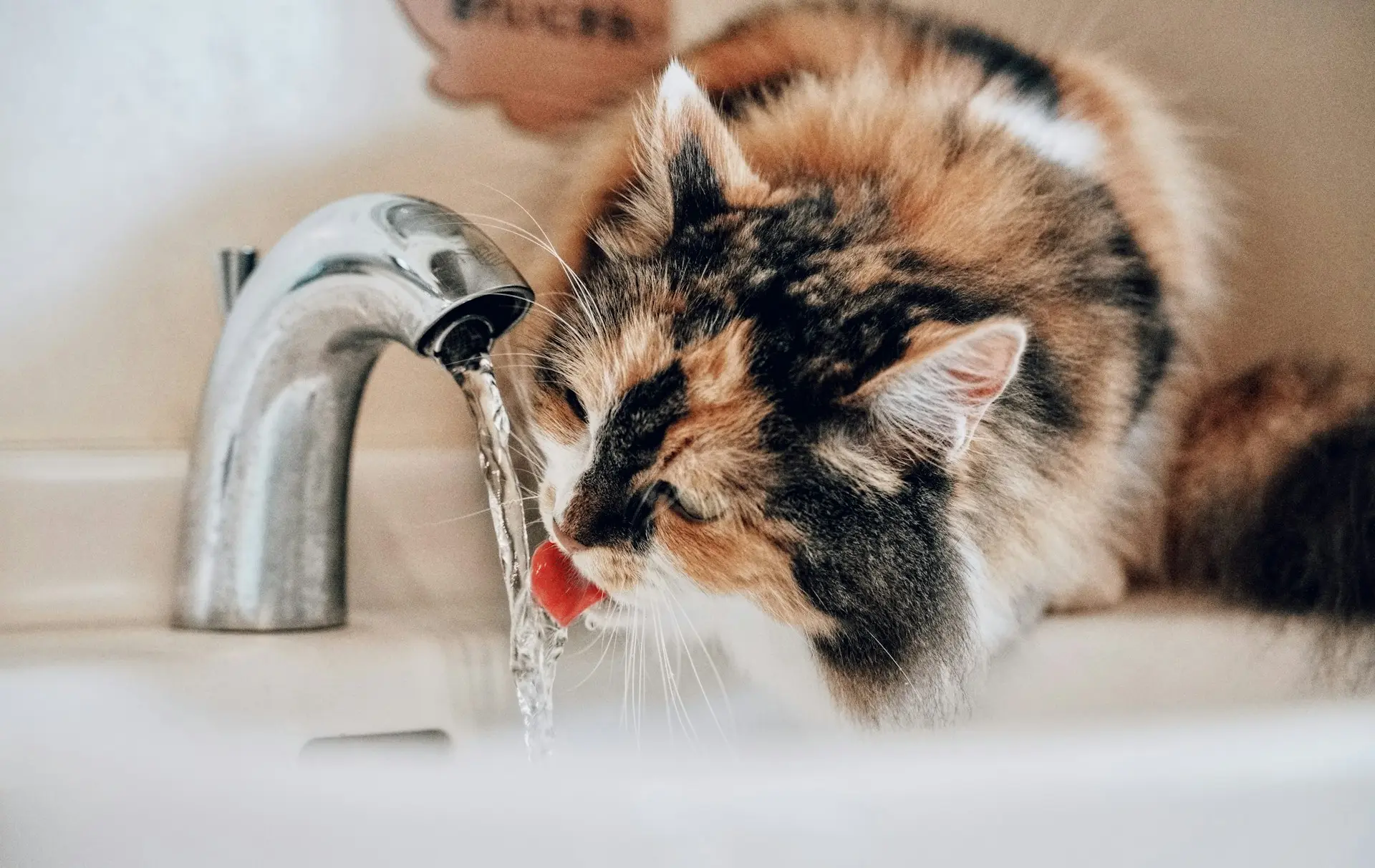
- Try fountains for cats: Flowing water often entices picky kitties to drink more.
- Encourage water breaks during play: Offer water frequently during walks, exercise, or outdoor time.
- Add moisture to food: Canned food or adding water to dry kibble can increase fluid intake, especially for cats.
Our veterinarians often recommend experimenting to see what works best for your furry pal—some pets prefer wide bowls, while others are drawn to moving water.
The Pet Food Institute has a helpful article on hydration here. You can also read more about keeping pets hydrated at the Purina Institute’s website here.
Special Considerations for Florida Pets
Living in Windermere, FL means hot, humid weather much of the year, which increases hydration needs. Dogs and cats here may be more prone to heat stress, making water intake even more important. We often encourage families to carry portable water bottles on walks and to monitor outdoor play closely.
Cats, in particular, may need encouragement to drink more in the summer months, since their natural thirst drive is low. Simple steps like offering ice cubes to bat around or flavored water (using pet-safe, sodium-free broths) can help.
Fun Facts About Pet Hydration
- Dogs sweat only through their paw pads—panting is their main way of cooling down, making water crucial for temperature regulation.
- Cats descended from desert animals, which is why they don’t always drink enough on their own.
- Some pets enjoy ice cubes as a treat, which can be both entertaining and hydrating.
FAQs About Pet Hydration
How can I tell if my dog or cat is drinking enough water?
Measure how much water you put out and how much is left at the end of the day. A sudden decrease in drinking is a red flag.
Do pets need bottled or filtered water?
In most cases, clean tap water is fine. However, pets with sensitive stomachs or certain health conditions may benefit from filtered water.
Can wet food replace water?
Wet food helps but shouldn’t replace drinking water. Pets still need access to fresh water at all times.
Should I worry if my pet drinks a lot more than usual?
Yes. Excessive drinking can signal medical issues like diabetes or kidney disease. Contact your veterinarian if you notice this change.
Schedule an Appointment at Our Windermere, FL Veterinary Clinic
Pet hydration is one of the simplest yet most important aspects of keeping your furry bestie healthy. Whether you’re focused on keeping pets hydrated, spotting the signs of dehydration in pets, or calculating water needs for dogs and cats, our team at Luv-N-Care Animal Hospital of Windermere is here to help.
If you’ve been searching for a trusted veterinary clinic in Windermere, FL, you might look for a vet near me—but you already have a caring, experienced team right here. Contact us today to schedule an appointment with our Windermere, FL vets and get personalized hydration and wellness advice for your four-legged buddy.
Visit our Service page here to learn more about our Windermere, FL animal clinic and the pets we treat.
This blog is meant for educational purposes only. Always consult your veterinarian for the right medical advice, diagnosis, or treatment plan for your pet.

!Social Media Icons