Welcoming a furry friend into your family means more than providing love and food — it means ensuring their environment is safe. At Luv-N-Care Animal Hospital of Windermere, we guide families in Windermere, FL through pet proofing your home to prevent accidents and protect pets from hazards.
Pets explore the world with their noses, paws, and mouths. That curiosity can put them at risk, especially inside the home. This blog will walk you room by room through practical steps to protect dogs and cats while maintaining a comfortable, happy household.
Why Pet Proofing Matters
Pet proofing reduces the risk of:
- Poisoning from human foods or medications
- Choking on small objects
- Falls or entrapments
- Electrical injuries
- Digestive blockages from swallowed items
Prevention is easier than emergency vet visits, and it saves pets from unnecessary suffering.
Living Room Safety
- Electrical cords: cover or tape down to prevent chewing.
- Decorations: keep fragile or sharp items out of reach.
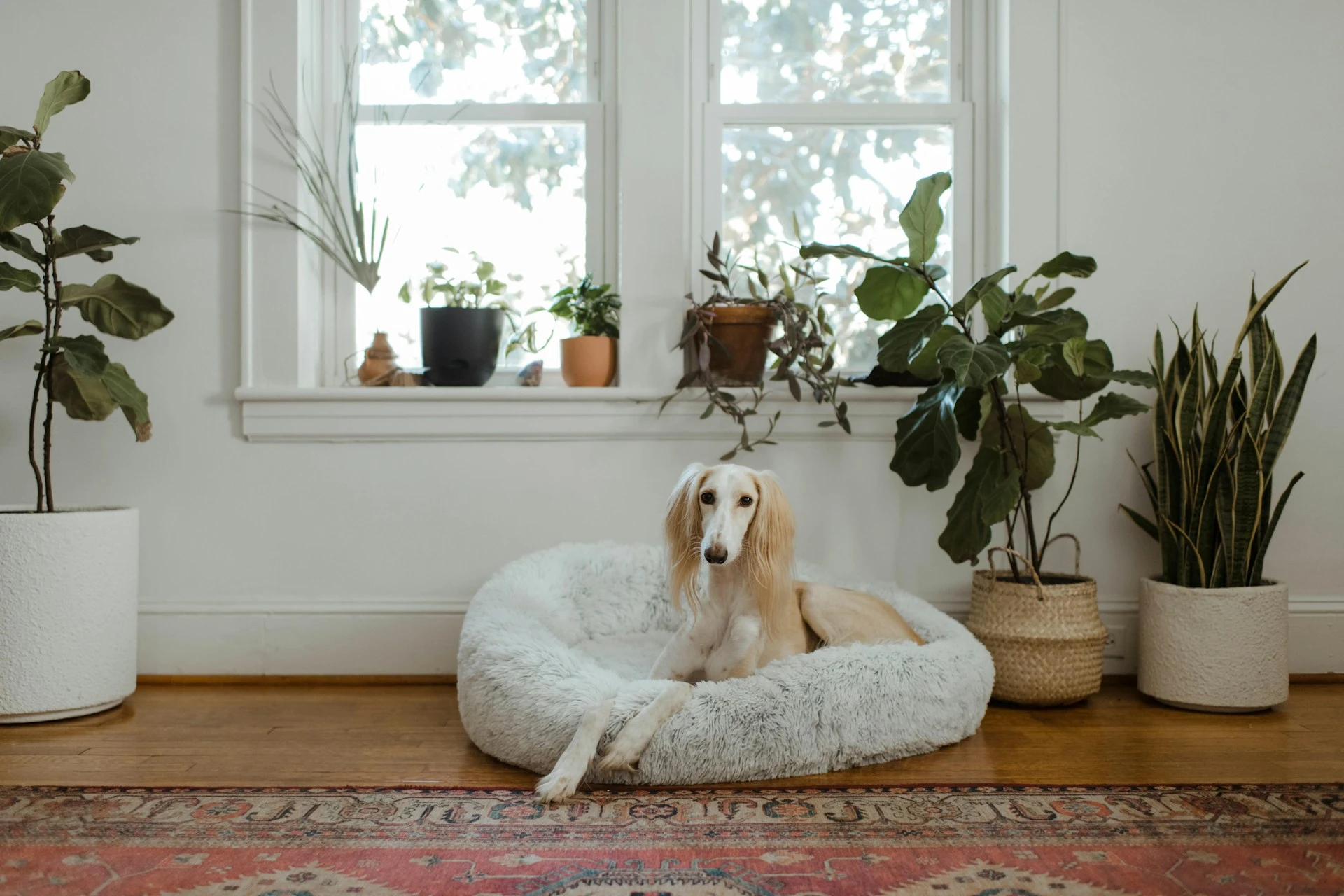
- Houseplants: avoid toxic plants like lilies, poinsettias, and sago palms.
Cats are notorious for chewing plants, while dogs may knock them over entirely. Choosing pet-safe greenery like spider plants or bamboo keeps your home beautiful and safe.
Kitchen Safety
The kitchen is often the most dangerous room for pets. Common hazards include:
- Toxic foods: chocolate, grapes, onions, and foods containing xylitol
- Hot stovetops: always supervise when cooking
- Trash cans: secure lids prevent pets from eating harmful scraps
- Cleaning supplies: store in locked cabinets
Bathroom Safety
- Medications: store all prescriptions in cabinets
- Toilet lids: keep closed to prevent drowning risks for small pets
- Dental floss or string: ingestion can cause severe intestinal problems
Bedroom Safety
- Laundry items: socks and undergarments can be swallowed
- Jewelry or small toys: choking hazards
- Blind cords: secure to avoid strangulation risks
Outdoor and Yard Safety
If your dog or cat enjoys time outside:
- Check fencing for gaps or weak points
- Remove toxic plants like oleander or azaleas
- Secure gates
- Store fertilizers, pesticides, and pool chemicals safely
Enrichment for Safe Exploration
Pet proofing doesn’t mean limiting fun. Offer alternatives:
- Scratching posts for cats
- Safe chew toys for dogs
- Interactive puzzle feeders
- Window perches for cats to watch the outdoors
Petproofing is going to be especially important with puppies, as they tend to chew, well, everything. You’ll need to keep an extra close eye on your canine pal during this stage.
Another big part of puppy care? Socialization. Click here to read our blog on this.
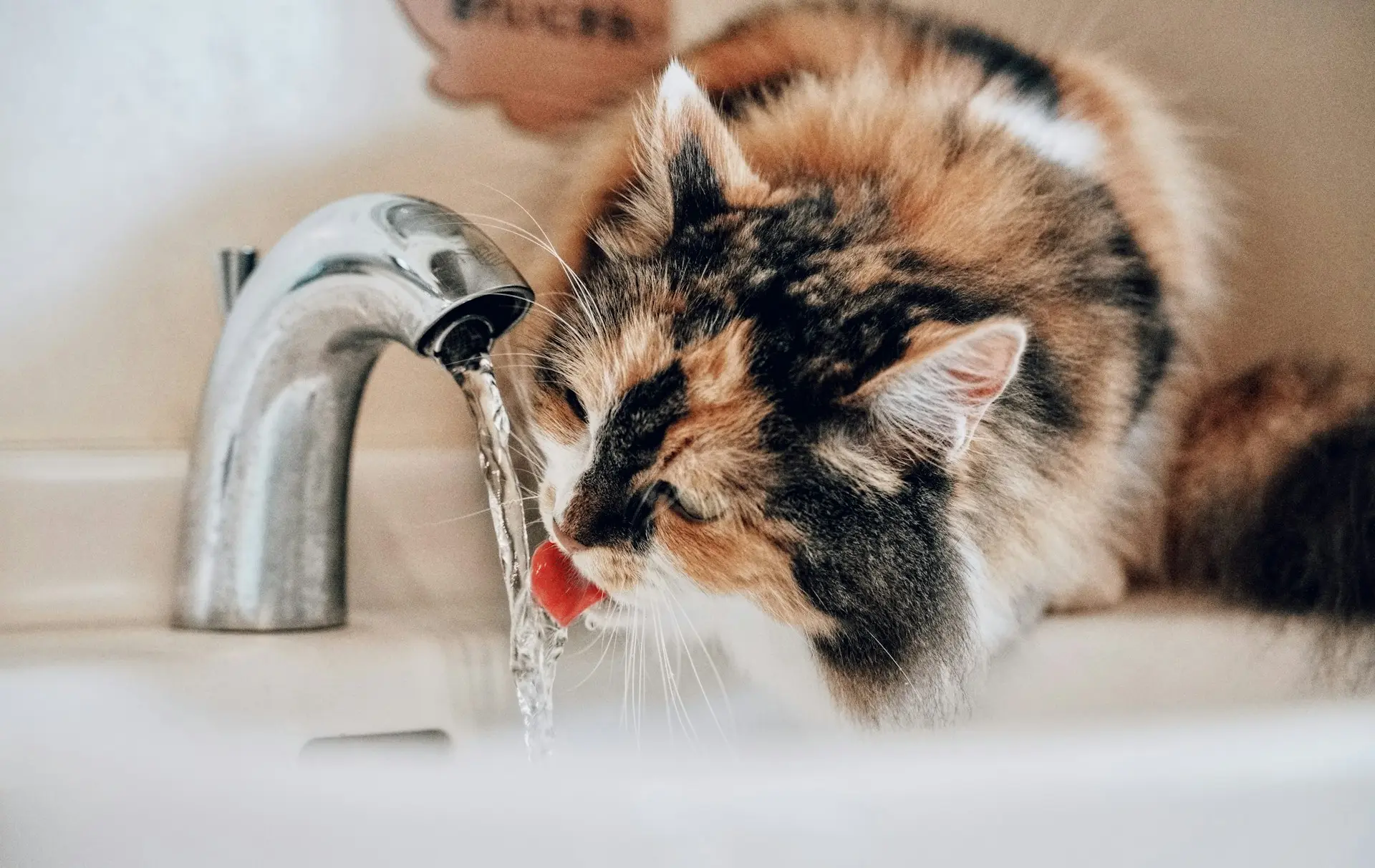
Fun Fact: Cats Can Squeeze Through Tiny Spaces
Your feline overlord can slip through openings as narrow as three inches wide. Always check screens, doors, and fences for small gaps.
FAQ: Pet Proofing
Do indoor cats need pet proofing?
Yes. Indoor cats often chew plants, cords, or ingest unsafe items.
Can dogs really open cabinets?
Many dogs learn to nose or paw cabinets open. Use child locks for safety.
What human foods are most dangerous for pets?
Chocolate, grapes, raisins, onions, garlic, and any product with xylitol.
Is crate training useful for safety?
Yes, when done correctly, crates provide a safe space while you’re away.
Pet-Proofing Help in Windermere, FL
At Luv-N-Care Animal Hospital of Windermere, we encourage every family to take simple steps toward pet proofing your home. A safe home means fewer emergencies and happier pets.
Looking for a vet near me in Windermere, FL? Contact our veterinary team today to schedule a consultation for your four-legged friend.
Visit our Service page here to learn more about our Windermere, FL animal clinic and the pets we treat.
This blog is meant for informational purposes only. Always consult your veterinarian for guidance on keeping your home safe for pets.
!Social Media Icons